
Posted by Bethan Bithell on Feb 25, 2026
Finding the best walking boots and shoes to prevent blisters can make the difference between an enjoyable walk and a painful one. If you have blister-prone feet, the right footwear should reduce heel lift, manage heat build-up, and minimise friction inside the boot. This guide covers what to look for and how to reduce rubbing on longer walks.
If you want the full step-by-step plan for stopping blisters, read our complete guide to prevent foot blisters when walking. If you want to understand the root cause, start with what causes foot blisters.
Best walking shoes to prevent blisters
The best walking shoes to prevent blisters hold your heel securely, breathe well, and don’t create pressure points. If your foot slides even slightly, friction builds fast, especially on longer walks and downhill sections.
- Heel hold that feels secure without rubbing
- Breathable lining to reduce sweat build-up
- Support underfoot so your foot doesn’t collapse and shift
- Enough toe room for hills and descents
Browse our walking shoes if you prefer lighter footwear for regular use.
Choosing the right fit and flexible materials is key, which is why many people opt for Grisport walking shoes for everyday comfort.
Best hiking boots for blister prone feet
Supportive hiking boots help reduce foot movement on rough ground. The best hiking boots for blister-prone feet usually combine secure lacing, padded collars, and a stable sole so your foot doesn’t slide around inside the boot.
- Support around the heel and ankle to reduce heel lift
- Padded collar and tongue to reduce rubbing
- Stable sole unit to cut down on foot fatigue and shifting
- Breathable waterproof lining so your feet don’t overheat
Browse our walking boots range for options built for longer days out.
Shoes that don't cause blisters: what matters most
No footwear can promise zero blisters in every situation, but walking shoes that hold the heel properly and manage heat and moisture can reduce the risk a lot. Most “shoes that don’t cause blisters” have one thing in common: they reduce movement inside the shoe.
If you also get blisters from socks slipping, this guide on anti blister walking socks explains what to look for.
Why walking boots cause heel blisters
Heel blisters usually happen when your heel lifts slightly with each step. Over distance, that repeated movement creates friction and heat at the back of the foot. You can often fix it by improving heel hold with fit, lacing, socks, or insoles.
If heel rubbing is a regular problem for you, use heel lock lacing technique for walking boots to reduce heel slip.
Key features to prevent friction and rubbing
Blisters usually come from friction, rubbing, and overheating. If you combine well-fitted footwear with the right socks, you can cut down hot spots and sore areas.
1) Secure heel hold (support systems)
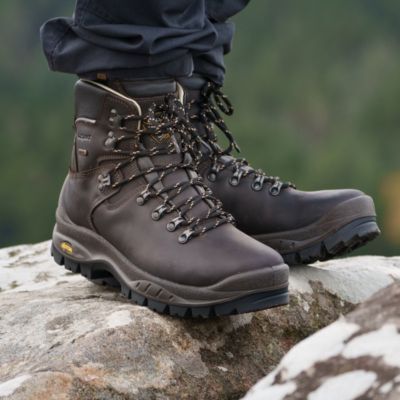
Heel hold matters because heel lift causes a lot of blisters. Some walking boots use built-in support systems designed to lock the heel in place and reduce movement.
If you’re looking at Grisport, browse the Grisport collection. Examples with strong heel-hold features include:
2) Self-locking hooks (better lacing control)
Self-locking hooks help you keep tension even, without over-tightening one area and creating pressure points. They also help stop your foot sliding forward, which can lead to toe blisters and bruised nails.
Examples include:
For practical methods that reduce rubbing, read lacing techniques that help to alleviate foot problems.
3) Padding around the ankle and Achilles
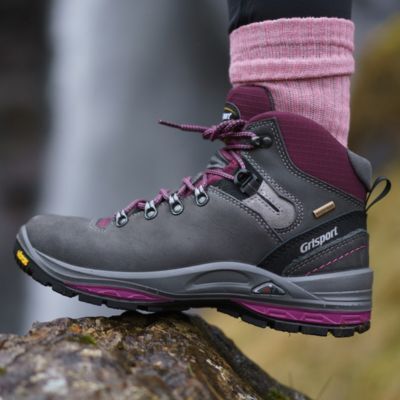
Some people get rubbing and soreness around the back of the ankle. This can come from repetitive movement, stiff collars, or poor heel hold. Boots with good padding around the Achilles area can make walking more comfortable.
If you also get Achilles pain after walking, this page may help: Grisport boots that can help to prevent tendonitis.
Key features to help reduce overheating
Heat and sweat soften skin, which makes rubbing worse. Good walking boots and shoes manage moisture better through breathable linings, supportive insoles, and suitable socks.
Waterproof and breathable membranes
Many walking boots and shoes use waterproof membranes that keep water out while letting some moisture escape. If you want more detail on boot linings and design, see Grisport boots technical outdoor wear.
Leather boots and waterproof care
Leather walking boots rely on the natural qualities of leather and the care you give them. If your leather dries out or cracks, comfort can drop and rubbing can increase.
Read 5 reasons why you should wax your leather walking boots and shoes regularly.
Breathable internal linings
Some walking shoes use tough inner linings designed for durability and breathability. When your feet stay cooler and drier, you reduce the main conditions that cause blisters.
Socks and insoles matter more than you think
You can buy great boots and still get blisters if your socks slip or your insoles don’t support your foot. Start with socks that manage moisture and stay in place, then look at insoles if you need more cushioning or a better fit.
- Read: Anti blister walking socks
- Shop: Walking socks
- Guide: Which walking boot insoles should I choose
- Shop: Boot and shoe insoles
If you want to understand how double-layer socks reduce friction, read 1000 Mile socks technology or browse 1000 Mile socks.
Quick checklist before you buy walking boots or shoes
- Check heel hold first (no lift when you walk)
- Check toe room for descents
- Avoid pressure points around seams and collars
- Match sock thickness to footwear volume
- Use lacing techniques that lock the heel
- Consider insoles if you need more support or cushioning
Browse walking boots and walking shoes
Browse our full ranges here:
Original publish date: January 2021
Last updated: February 2026
FAQs: Walking Boots and Shoes to Prevent Blisters
The best walking shoes to prevent blisters hold the heel securely, breathe well, and don’t let the foot slide. Good sock choice also helps, especially on longer walks.
Look for stable boots with secure lacing, a supportive sole, and a padded collar. You want less movement inside the boot, especially at the heel.
Heel blisters usually come from heel lift. The heel moves up and down, friction builds, and the skin heats up. Better heel hold from fit, lacing, socks, or insoles often fixes it.
They can if your feet get hotter and sweat more. A breathable lining, the right socks, and a supportive insole can help manage moisture and reduce rubbing.
Yes. Socks that manage moisture and stay in place can reduce rubbing. Double-layer socks can also help by shifting friction away from skin.
Walking boots, shoes and socks that help prevent blisters
If you want to reduce rubbing on longer walks, start with secure heel hold, moisture control socks, and supportive insoles. Here are a few options worth considering.
Find our country clothing guides useful?
Add Cherry Tree Country Clothing as a preferred source on Google to see more of our guides in Google Search.