
Posted by Bethan on Feb 21, 2026
Prevent foot blisters when walking by fixing the main triggers: friction, moisture, and movement inside your footwear. Most blisters start as a “hot spot” that gets worse with every step. This guide shows you what to check, what to change, and what to carry so you can walk in comfort.
What causes foot blisters when walking?
A blister forms when your skin gets rubbed repeatedly and the top layers separate. Fluid fills the gap, and you get that sore, raised patch.
- Friction from rubbing at the heel, toes, or ball of the foot
- Moisture from sweat or wet conditions that softens skin and increases rubbing
- Poor fit (heel lift, toe squash, or too much volume)
- Wrong socks (cotton, bulky seams, poor shape, or slipping)
- Longer time on feet where small issues add up
If you want a deeper breakdown of blister types and common causes, view our guide: Prevent of Foot blisters and their causes.
Quick checklist to prevent foot blisters
Run this list before longer walks, new boots, or wet days.
- Pick socks that reduce rubbing and manage sweat
- Lock your heel in place with lacing (no heel lift)
- Leave proper toe room (downhill matters)
- Break in boots gradually before a long day out
- Stop early if you feel a hot spot and deal with it there and then
- Carry blister plasters and tape on longer walks
Wearing anti blister walking socks can significantly reduce friction and help keep feet drier on longer walks.
How to spot a hot spot early
Most foot blisters start at predicable pressure points, as shown below.
A hot spot is the warning sign before a blister. It often feels like burning, stinging, or a patch of skin that suddenly feels “rubbed raw”.
- Top places: back of heel, little toe, ball of foot, side of big toe
- What it feels like: heat, sting, or a sharp rub on one point
- What to do: stop, dry the area, add tape or a blister plaster, and adjust lacing
Heel blisters when walking are especially common if your heel lifts inside the boot.
Best socks to prevent blisters
Socks do two jobs: they manage moisture and they control friction. If your socks slip, bunch, or hold sweat, your feet take the hit.
What to look for in anti-blister socks
- Good fit (no excess fabric at toes or heel)
- Low-friction fibres that help reduce rubbing
- Moisture control so skin stays drier
- Flat seams (or minimal seams) at the toes
- Support through the arch to stop movement
Double-layer socks and liner socks
Double-layer systems work because movement happens between layers, not against your skin. That can cut heel and toe blisters fast for some people.
- Try double-layer socks if you get heel blisters or you’re breaking in boots
- Try liner socks if your main sock is good but you still get rubbing on longer walks
- Skip liners if your boots already feel tight in volume
Many walkers choose double-layer options like the 1000 Mile double layer socks to help reduce friction.
Helpful supporting guides you may find helpful:
- Anti blister walking socks
- Guaranteed Blister Free Socks!
- 1000mile socks technology
- How to Prevent Potential Foot Problems When Out Walking
Choosing walking boots and shoes that help prevent blisters
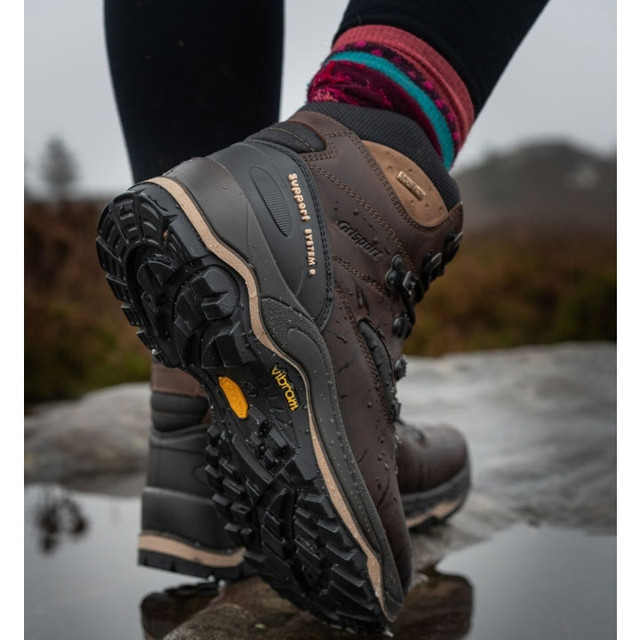
Boots and shoes cause blisters when your foot moves inside them, or when the shape fights your foot. Fit beats brand. Every time.
Fit checks that matter
- Heel hold: your heel should not lift as you walk uphill or on flats
- Toe room: you should be able to wiggle toes, and your toes should not hit the front on downhill
- Width: no pinching at the little toe or outside edge
- Volume: your foot should feel held, not swimming in space
Choosing well-fitting boots such as the Grisport Excalibur walking boot can help reduce friction on longer walks.
You can browse our current range of walking boots designed for comfort on longer walks.
Common blister zones and what they usually mean
| Blister location | Common cause | What to try |
|---|---|---|
| Back of heel | Heel lift, socks slipping, stiff heel counter | Heel lock lacing, double-layer socks, tape hot spot early |
| Little toe | Boot too narrow, toe box shape mismatch | Wider fit, thinner sock, check sizing and lacing tension |
| Ball of foot | Excess movement, wet socks, long distance | Drier sock system, adjust fit, use tape for known hotspots |
| Top of foot | Pressure from laces or tongue | Window lacing, re-lace to relieve pressure points |
For footwear-specific advice, check out our guide: The best walking boots and shoes to prevent blisters.
Lacing techniques that cut rubbing and pressure points
Lacing is the fastest fix you can do on the trail. It can stop heel lift, reduce toe bang, and take pressure off sore areas.
Heel lock lacing (for heel lift)
- Use the top two eyelets to create a “lock” around the ankle
- Pull down and back to hold the heel in place
Window lacing (for pressure on the top of the foot)
- Skip the eyelet where you feel pressure
- Create a “window” so the lace doesn’t press on that spot
View our full step-by-step lacing patterns: Lacing techniques that help to alleviate foot problems.
Moisture control and foot care tips
Wet skin blisters faster. Simple moisture habits reduce friction and soreness.
- Swap socks mid-walk on long days or in wet conditions
- Dry feet at stops if you feel dampness building
- Air boots at home so liners dry fully between walks
- Trim toenails to avoid toe pressure and rubbing
- Use tape early if you know your usual hot spot
You can browse our full range of hiking socks designed for comfort on longer walks.
For wet walks, many customers also choose our Arctic Storm coats for dependable rain protection.
What to do if a blister forms
If you’re out walking, your goal is to stop rubbing, keep the area clean, and protect the skin.
If the blister is intact
- Clean and dry the area
- Cover with a blister plaster or protective pad
- Adjust socks and lacing to stop repeat rubbing
If the blister has popped
- Clean gently (avoid harsh scrubbing)
- Cover with a dressing that won’t stick
- Keep it protected until skin settles
If you have medical conditions that affect healing (like diabetes), get medical advice early if you have broken skin.
Blister prevention for dog walking, hill walking, and everyday wear
Different walks create different problems. Match your sock and footwear choices to the day you’re doing.
- Dog walking: comfort and grip matter most. Prioritise dry socks and a secure heel hold.
- Hill walking: downhill is the blister-maker. Toe room and heel lock lacing matter.
- Farm and yard jobs: long hours on hard surfaces can rub the ball of foot. Focus on cushioning and sweat control.
- Long distance days: carry spare socks and treat hot spots at the first sign.
You can also read our dog walking clothing guide for practical advice on footwear, trousers and wet weather layers.
For specific advice on the right socks and boots and shoes to prevent blisters, you may find these guides of interest:
Recommended blister prevention products
Blister prevention FAQs
Start with socks that manage sweat and don’t slip. Lock your heel in with lacing. Treat hot spots early with tape or a blister plaster. Carry a spare pair of socks if you’ll be out for hours.
They can be, especially for heel blisters and breaking in boots. They work best when the boot fit still feels secure and not tight.
They should fit close without bunching. Loose socks move and crease, which often causes rubbing at the toes and heel.
No. Good fit plus the right socks can feel comfortable from day one. Stiff boots and poor heel hold are the usual reasons new boots rub.
Stop heel lift first. Use heel lock lacing and socks that don’t slip. If you’re prone to heel blisters, tape the area before a long walk.
Cotton tends to hold moisture. That can soften skin and raise friction. On long or wet walks, moisture-managing socks usually work better.