Posted by Bethan Bithell on Feb 24, 2026
Anti blister walking socks can help reduce rubbing, manage sweat, and cut down on hot spots that turn into blisters. They won’t fix boots that don’t fit, but they can make a noticeable difference when your footwear is close to right and you walk a lot in the UK’s wet, changeable conditions.
For a full step-by-step strategy, see our guide on how to prevent foot blisters when walking.
What are anti blister walking socks?
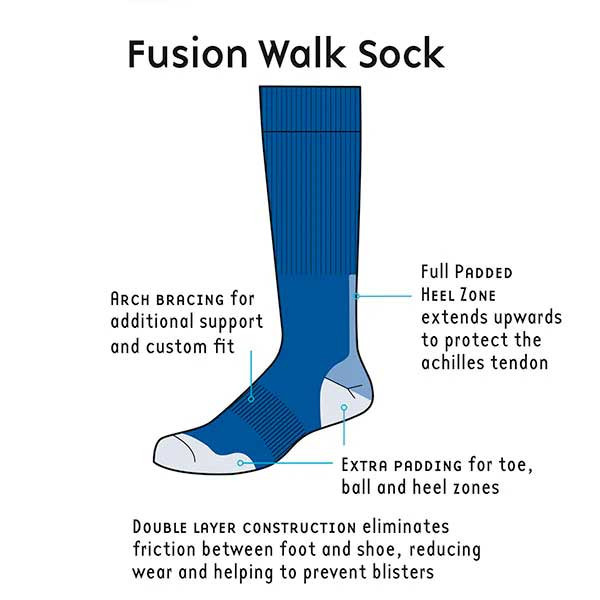
Technical walking socks with double layer construction can help reduce friction during longer walks.
Anti blister walking socks are designed to reduce friction and manage moisture. They use materials and knit patterns that help your feet stay drier and your socks stay in place, which reduces rubbing.
This is why many walkers choose anti blister socks for walking when they regularly get hot spots or rubbing in their boots.
- Moisture-wicking fabrics to move sweat away from your skin
- Friction management through smoother yarns and better fit
- Targeted cushioning around the heel, toes, and ball of the foot
- Support and hold around the arch and ankle to limit sliding
If you keep getting blisters in the same place, socks are often part of the answer, but fit and movement inside the boot matter just as much.
Do anti blister walking socks really work?
Yes, anti blister socks work for many people, especially when blisters come from heat, damp skin, or socks slipping inside footwear. They reduce the main triggers that cause rubbing during long walks.
Anti blister walking socks can help most when you:
- Walk long distances or spend full days on your feet
- Break in new walking boots
- Walk in wet weather or warm conditions where feet sweat
- Do hill walks where your feet slide forward on descents
If your boots are too big and your heel lifts a lot, socks alone won’t solve it. In that case, you need better heel hold from lacing, fit, or insoles.
You can also reduce heel movement using proper lacing techniques that improve heel hold.
Does wearing two pairs of socks prevent blisters?
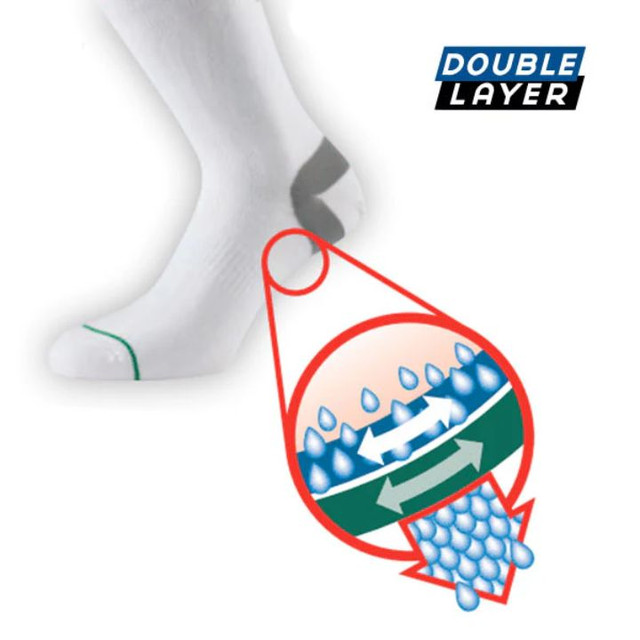
Sometimes. The idea behind wearing two pairs of socks is simple: if your foot rubs, you want any friction to happen between sock layers, not against your skin. This is often called the “double sock method” or “sock method”.
It can help if you:
- Get heel rubbing in boots on longer walks
- Have slightly loose boots and need extra volume
- Notice socks moving or bunching during the day
But it can also cause problems. Two pairs of socks can make footwear too tight, increase pressure, and trap heat. If your feet run hot, double socking can increase sweating and make rubbing worse.
If heel rubbing is your main issue, read our guide on what causes foot blisters and how to prevent heel blisters.
If you want a more consistent option than wearing two random pairs, take a look at double layer walking socks. They are designed to manage friction in a controlled way and tend to feel less bulky than stacking socks.
Best socks for walking to prevent blisters
If you want the best socks for blister prevention, focus on three things: materials, fit, and matching sock thickness to your footwear.
Material matters
Different materials behave differently once your feet warm up.
- Merino wool helps manage moisture and temperature, and feels comfortable across seasons
- Technical synthetics dry quickly and often feel lighter, which suits spring and summer walking
- Moisture control blends can combine comfort and durability for regular use
Fit and thickness
Even the best sock can cause rubbing if it slips or bunches.
- Snug heel fit reduces movement at the back of the foot
- No bunching means fewer pressure points under the arch and toes
- Match thickness to boot volume so you don’t create tight spots or heel lift
Many walkers switch to blister free socks when they keep getting repeat hot spots in the same area.
When double layer construction helps
Double layer construction can help if you get repeat blisters in the same areas or you do long walks. The inner layer moves with your foot, while the outer layer moves with the boot, which reduces rubbing against skin.
If you want to learn more about why double layer socks can help, browse our double layer walking socks range.
To understand the mechanics in more detail, see how double layer walking socks work and why they reduce friction.
Best socks for wellington boots to prevent rubbing
Wellington boots often cause rubbing because rubber boots hold heat and sweat, and the heel can move more than it does in a lace-up boot. This is why people ask themselves things like “how to stop wellies rubbing” and “best socks for wellies”.
If your wellington boots rub at the heel or calf, the right socks often solve the problem faster than changing the boots.
To reduce rubbing in wellies, look for:
- Taller socks to protect ankles and lower legs from boot edges
- Cushioning at the heel to reduce pressure and friction
- Moisture control because rubber boots trap sweat
- Socks that stay up so fabric doesn’t slide down and bunch
If wellies rub the back of your heel, start by switching socks first. Then look at heel hold and boot fit. A small change can stop a problem that ruins a day out.
Common mistakes that still cause blisters
These issues can cause blisters even if you buy better socks:
- Wearing cotton socks that stay damp and soften skin
- Footwear that allows heel lift so your heel rubs with every step
- Socks that are too thick for your boots, causing tight pressure points
- Ignoring moisture build-up on long days, especially in wet weather or wellies
Quick checklist: choosing anti blister walking socks
- Choose moisture-wicking fabric
- Look for a snug heel fit and good arch hold
- Pick cushioning in heel and toe areas if you get hot spots there
- Match sock thickness to your boots or walking shoes
- Consider double layer design for long walks or repeat blisters
Originally published: May 08, 2015
Last updated: 24th February 2026
Anti Blister Walking Socks FAQs
Yes. Anti blister walking socks help reduce friction and manage moisture, which are two main causes of blisters. They work best when your boots or shoes already fit reasonably well and your heel is held securely.
Sometimes. Wearing two pairs of socks can shift friction away from the skin, but it can also make footwear too tight and increase heat. Purpose-built double layer walking socks usually give more consistent results with less bulk.
Anti blister walking socks are technical socks designed to reduce rubbing and manage sweat. They often use moisture-wicking fibres, targeted cushioning, and supportive knit structures to help keep feet drier and more stable inside footwear.
Anti blister walking socks are technical socks designed to reduce rubbing and manage sweat. They often use moisture-wicking fibres, targeted cushioning, and supportive knit structures to help keep feet drier and more stable inside footwear.
Look for moisture-wicking materials, a snug heel fit, and cushioning in high-friction areas. Match sock thickness to your boots or walking shoes so you avoid tight pressure points or heel lift.
Start with taller, moisture-controlling socks that stay in place. Wellington boots can trap heat and allow more heel movement than lace-up boots, so good sock choice makes a noticeable difference. If rubbing continues, check overall boot fit.
They can be. Double layer socks are designed so friction happens between the layers instead of against your skin. Many walkers find them helpful on longer distances, during boot break-in periods, or when prone to repeat blisters.
Our Recommended Anti Blister Socks
If you’re ready to upgrade your setup, here are some proven options that help reduce rubbing on longer walks.
Related guides:
Find our country clothing guides useful?
Add Cherry Tree Country Clothing as a preferred source on Google to see more of our guides in Google Search.