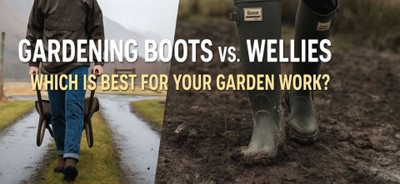
Posted by Bethan on Mar 05, 2026
If you’re trying to choose the best wellies for gardening or deciding if garden boots make more sense, it comes down to your ground, your jobs, and how long you’re out there. Wet clay and winter muck need different footwear than quick summer watering and pottering.
This guide compares gardening boots vs wellies, shows when each works best, and gives you a simple checklist to help you choose.
What’s the difference between gardening boots and wellies?
Gardening boots usually sit at ankle to mid-calf height. They feel lighter, flex more, and suit everyday garden tasks in milder conditions.
Wellies (wellington boots) tend to run mid-calf to knee height. They protect better in mud, standing water, and wet grass, so they suit messy jobs and bad weather.
Gardening boots vs wellies – quick comparison
| Feature | Gardening boots | Wellies |
|---|---|---|
| Height | Ankle to mid-calf | Mid-calf to knee |
| Water protection | Good for light wet and damp ground | Better for deep mud and standing water |
| Comfort in warm weather | Usually better | Can feel hot and sweaty |
| Flex for kneeling and crouching | Often easier to move in | Tall shafts can feel restrictive |
| Best use | Everyday garden jobs and drier soil | Wet, muddy, winter conditions |
If you’re leaning towards wellies, browse our gardening wellies. For lighter jobs, start with our gardening boots.
Match the footwear to the job
Not all garden work asks the same thing from your feet. Use this as a quick guide.
When to choose gardening boots
- Watering, weeding, mowing, mulching, pruning
- Dryer weather or well-drained soil
- Quick trips in and out of the garden
- Greenhouse work and light planting
When to choose wellies
- Digging trenches, turning compost, spreading manure
- Waterlogged beds, clay-heavy plots, muddy allotments
- Winter gardening and persistent rain
- Strimming through wet grass, nettles, or brambles
If you want help with fit, lining and sole types, read our wellington boots buying guide.
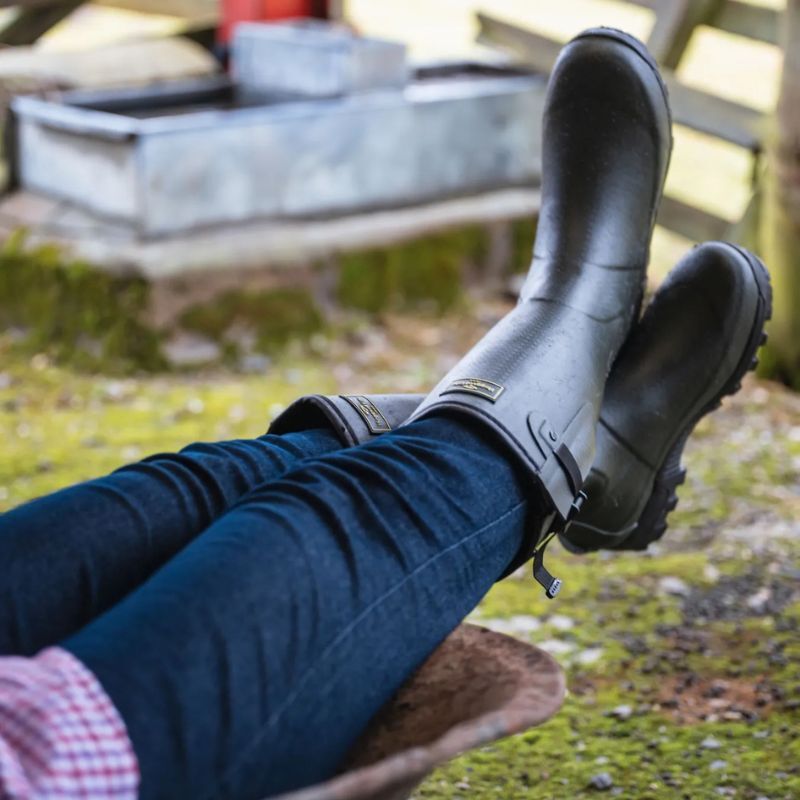
Terrain and conditions: know your ground
A raised bed veg patch needs different footwear than an open, muddy allotment.
- If your soil stays loose, dry, or lightly damp, gardening boots often do the job.
- If your ground floods, stays boggy after rain, or turns sticky in clay, wellies give better coverage and protection.
If you work around brambles, nettles, or long wet grass, taller wellies also help protect your lower legs.
The grip factor: why the sole matters
Slips in mud are annoying at best and risky at worst, especially when you’re carrying tools or working on uneven ground.
Deep tread soles help because they:
- Bite into soft ground for better stability
- Shed mud as you walk, so grip stays more reliable
- Reduce the chance of ankle rolls on rough ground
- Handle wet grass better than shallow patterns
If your garden gets greasy, clay-heavy, or icy, wellies with deeper tread usually win. Some gardening boots grip well too, but tall wellies tend to feel steadier in heavy mud.
If you work in heavy mud, this guide on best farmer wellies for muddy ground is worth a look.
Comfort counts, especially in warmer weather
Wellies can feel hot in summer and heavy after a long session. The taller shaft can also get in the way if you kneel, crouch, and move around a lot.
Gardening boots usually feel better for day-to-day comfort because they:
- Feel lighter and flex more
- Go on and off quickly
- Feel cooler in warmer weather
In colder months, lined wellies can feel better if you’re outside for hours in wet conditions.
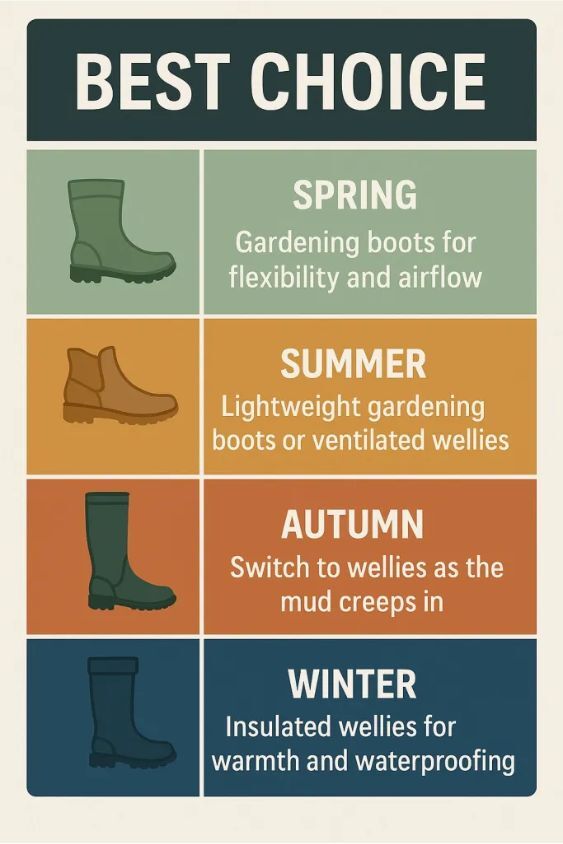
Seasonal guide: let the weather decide
UK weather changes fast. Many gardeners keep both by the back door and swap depending on the day.
What are the best wellies for gardening?
The best wellies for gardening give you strong grip, dependable waterproof protection, and comfort for longer wear.
What to look for:
- Deep tread soles for mud and wet grass
- A fit that holds your heel steady (less rubbing when you walk)
- A lining that suits your season (lighter for warmer months, warmer lining for winter)
- Enough height for your ground (short wellies for light jobs, taller for deep mud)
If you want to browse options, start here: gardening wellies.
Are short wellies good for gardening?
Yes, short wellies can work really well for light garden jobs. They’re easier to slip on, lighter to walk in, and suit quick tasks like watering, pruning, and deadheading.
Short wellies don’t cover as much leg, so they make less sense if you work in deep mud, long wet grass, or waterlogged ground. In those conditions, taller wellies feel more practical.
What Are the Best Boots for Gardening?
The best boots for gardening give you comfort, grip and protection while still allowing you to move easily around the garden.
Unlike tall wellies, gardening boots usually sit around ankle height and feel lighter on your feet. This makes them easier to wear for everyday tasks such as watering, pruning, planting and mowing.
When choosing garden boots, look for:
- A grippy sole that handles damp soil and grass
- A comfortable fit that supports your foot
- Durable materials that handle regular outdoor use
- Water-resistant protection for damp ground
If you prefer lighter footwear for daily garden jobs, take a look at our range of gardening boots.
Recommended gardening boots and wellies
Here are a few options from our range that suit different gardening conditions.
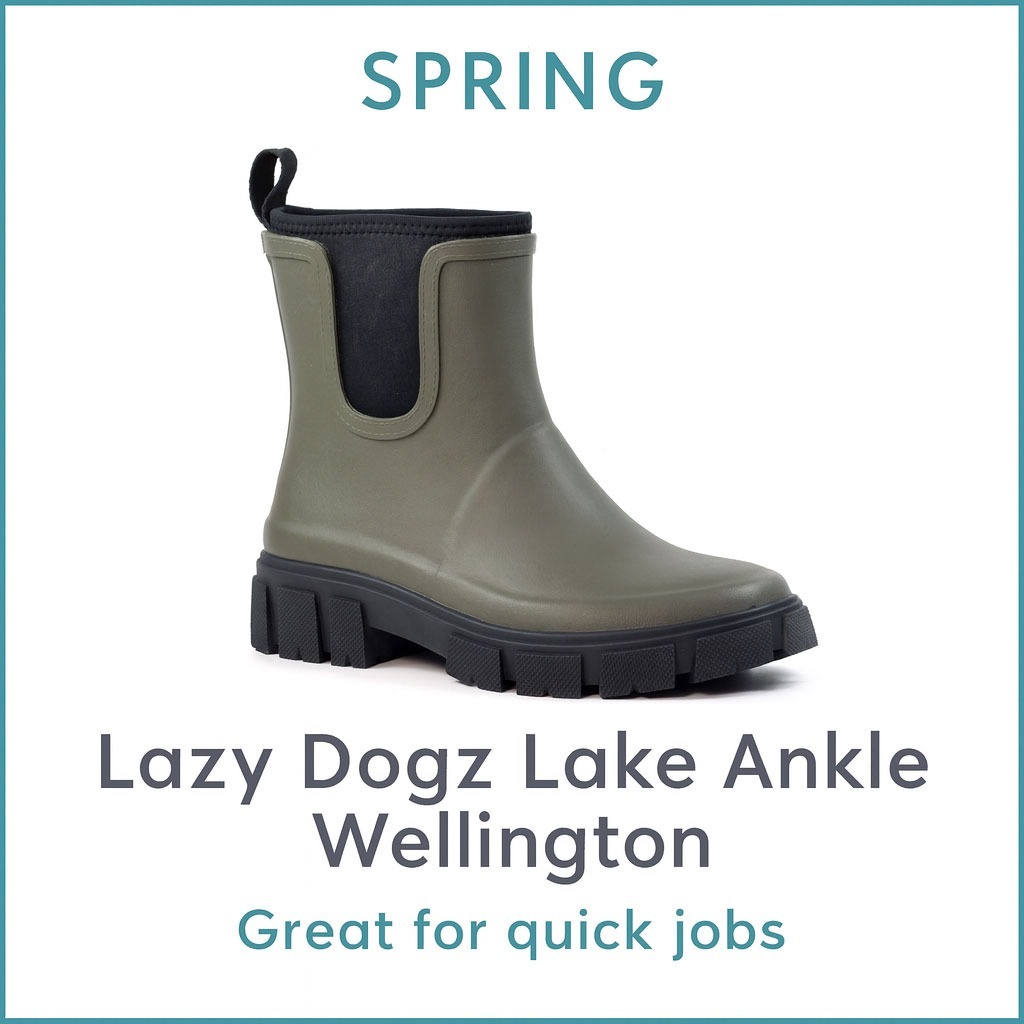
Lazy Dogz Lake Ankle Wellington – handy for quick garden trips and lighter wet ground.
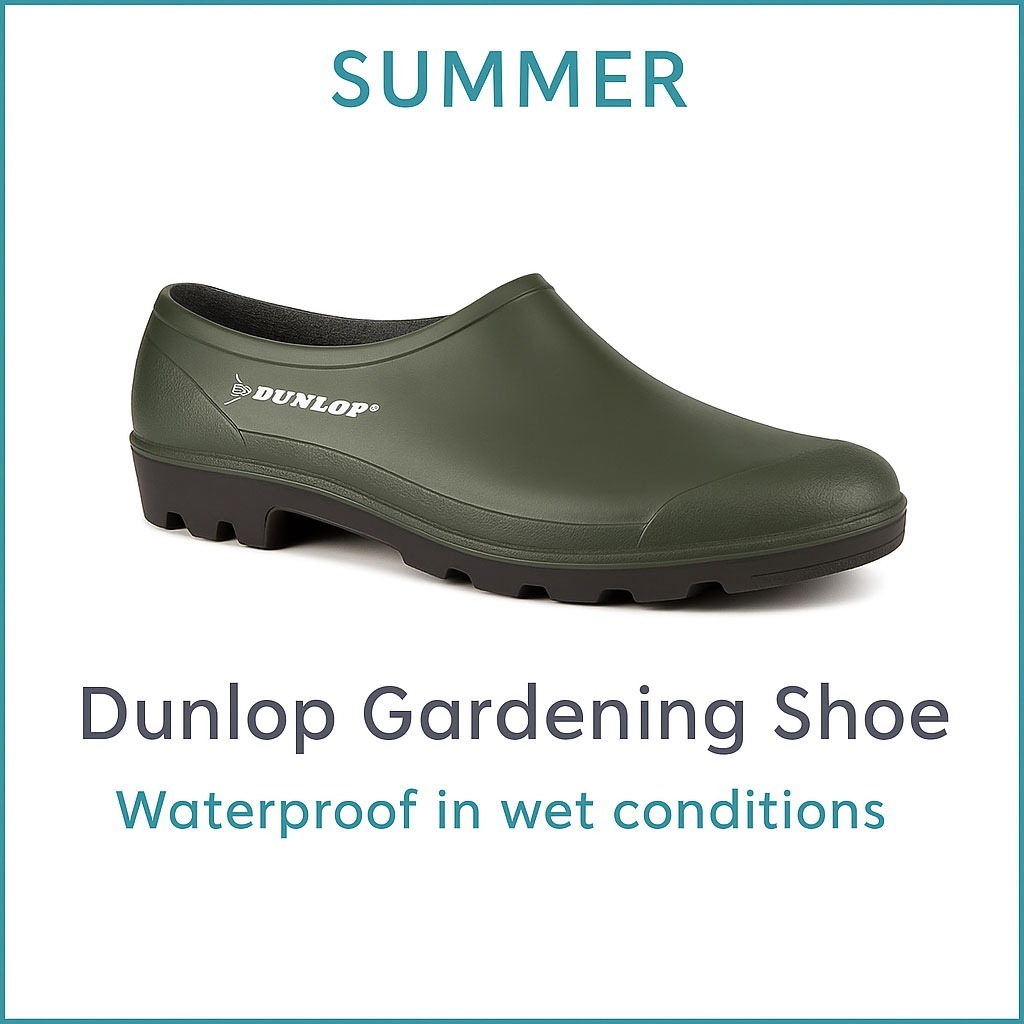
Unisex Gardening Shoe – a lighter option for drier days and everyday jobs.
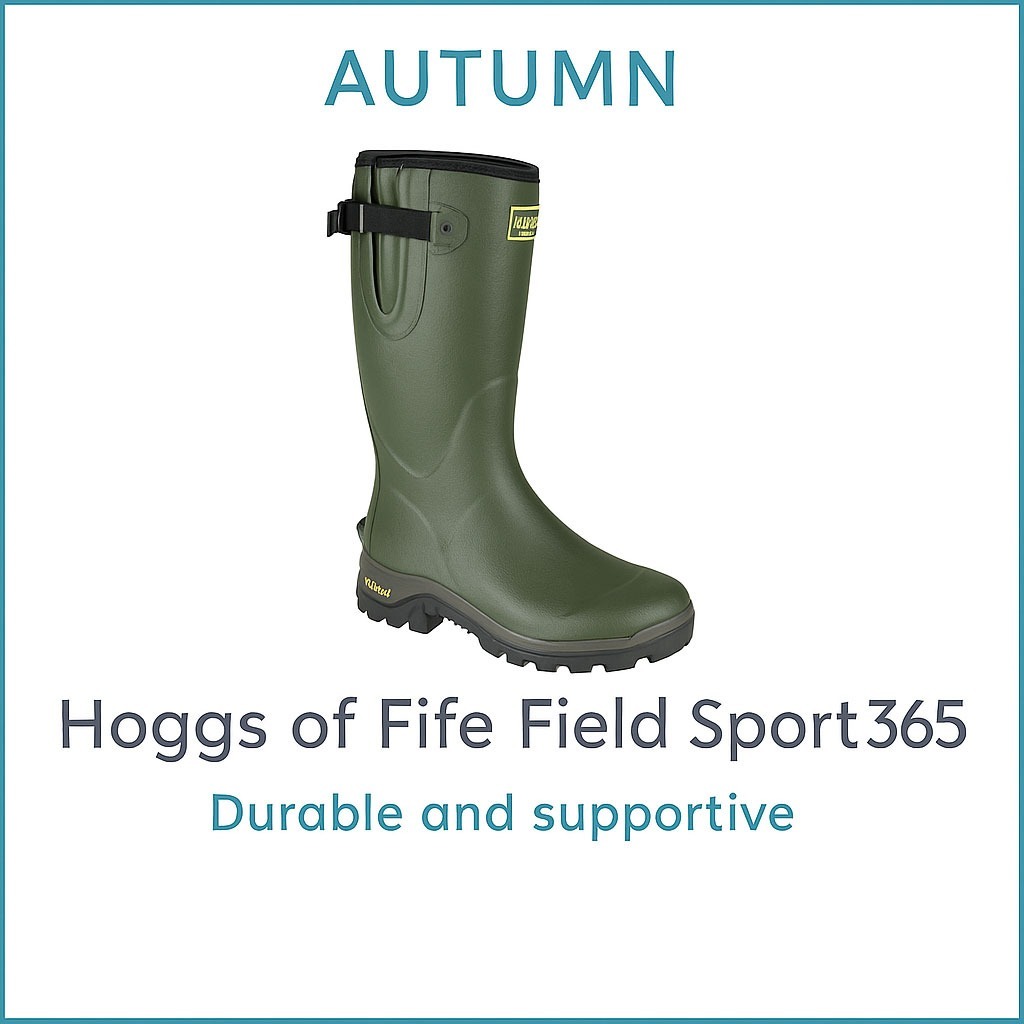
Hoggs of Fife Field Sport 365 – a dependable choice for wetter ground and colder seasons.
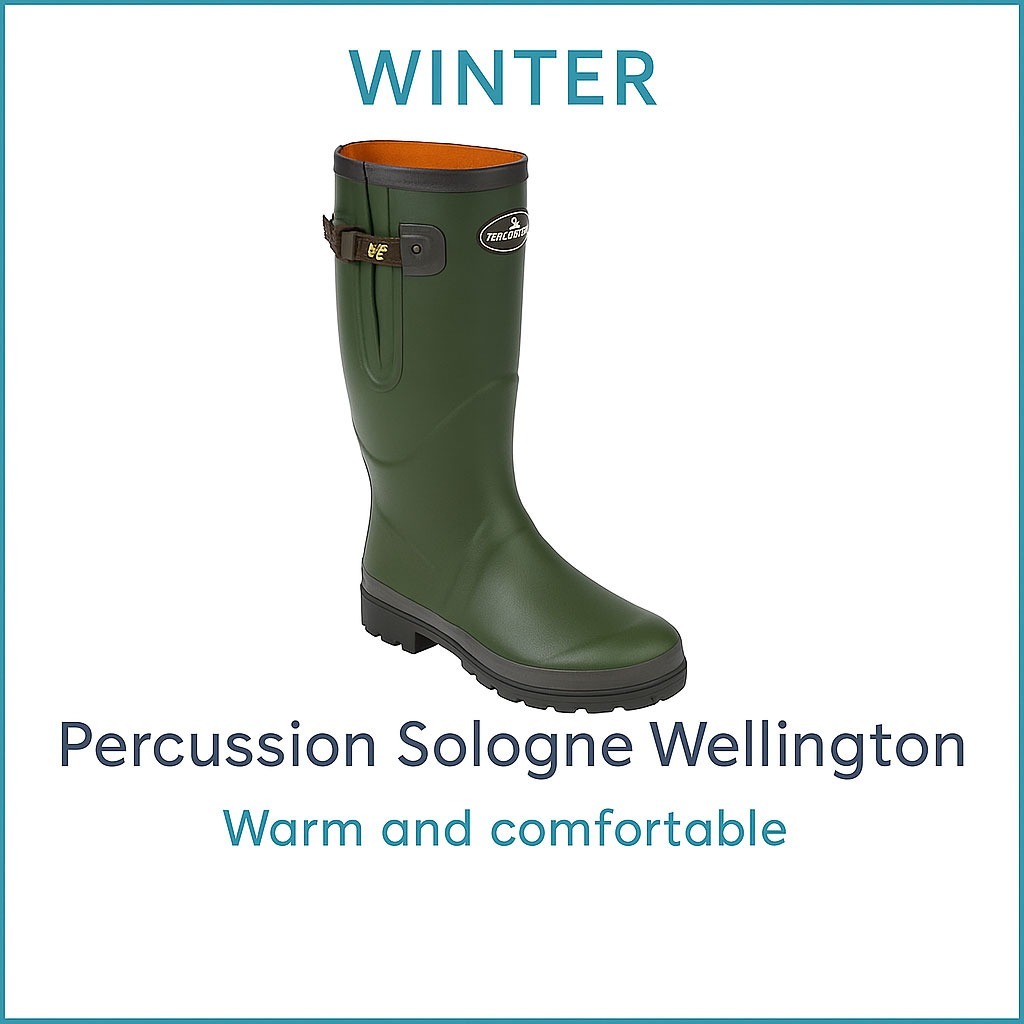
Percussion Sologne Wellies – a stronger option for winter gardening and heavy mud.
If you want something tougher for yard jobs, see our farm boots and dealer boots.
Gardening boots vs wellies: which should you choose?
Use this quick check and you’ll usually land on the right option.
Choose gardening boots if:
- You want lighter comfort for everyday tasks
- Your garden stays fairly dry
- You move around a lot, kneel, and crouch often
If you’ve decided boots suit your garden work better than wellies, read our guide to the best gardening boots to see what features to look for before buying.
Choose wellies if:
- You deal with deep mud, standing water, or heavy clay
- You garden through winter and wet weather
- You want more lower-leg protection
If you do heavier outdoor work beyond the garden, you might prefer tougher options from this range: farm boots.
When the weather turns, a waterproof layer helps too. Take a look at the Hoggs of Fife smock range for wet and windy days outside.
For more boots, waterproofs and workwear tips, browse our Farming and gardening gear guides.
Final thoughts
When you pick between gardening boots and wellies, focus on the work you do most, the conditions underfoot, and how much protection you want.
- Dry ground and everyday jobs: start with gardening boots.
- Wet, muddy, winter conditions: move to gardening wellies.
Gardening Boots vs Wellies FAQs
Yes. Wellies suit wet gardens, muddy allotments, clay soil and winter work. They also help protect your lower legs in long wet grass and brambles.
The best wellies for gardening have deep tread for grip, a comfortable fit that holds your heel, and a lining that suits the season you garden in.
Short wellies work well for quick jobs and lighter wet ground. Choose taller wellies if you deal with deep mud, waterlogged soil, or long wet grass.
Garden boots suit drier ground and everyday jobs where you want comfort and movement. Wellies suit wet, muddy conditions where you need waterproof cover.
Recommended Gardening Boots and Wellies
You can explore our full range of gardening boots and gardening wellies if you want to compare more options.