Posted by Bethan on Jan 08, 2026
Wet feet ruin a day outdoors. Good boot care stops that happening. This guide covers practical boot care and waterproofing tips that help keep your feet dry, improve comfort, and extend the life of your boots. It applies to walking boots, country boots, work boots and well-used everyday outdoor footwear.
If your boots are already letting water in, our guide on why walking boots leak explains the common causes and how to fix them.
Why boot care matters
Mud, moisture and daily wear slowly break boots down. When care slips, leather dries out, stitching weakens and waterproof layers fail. A simple routine keeps boots comfortable, supportive and weather-resistant for longer.
Essential boot care steps
These practical steps cover everyday boot care that helps keep moisture out and extends the life of your boots.
Clean boots regularly
Remove dirt and debris after every wear
Cleaning is the foundation of boot care. Dirt acts like sandpaper and speeds up wear.
- Brush off dried mud with a soft or medium brush
- Wipe leather with a damp cloth
- For stubborn grime, use a specialist footwear cleaner designed to lift dirt without drying out the material.
For leather boots, a product like a dedicated footwear cleaner lifts dirt without stripping natural oils. Fabric and nylon boots can be surface-washed with warm water and a mild detergent.
Why this helps: clean boots absorb conditioners and waterproof treatments properly.
Condition leather to prevent cracking
Leather dries out over time. Conditioning keeps it flexible and reduces cracking around creases and flex points.
- Apply a leather balm or conditioner evenly
- Leave for around 15 minutes
- Buff off excess with a soft cloth
Boots worn often may need conditioning every 1–3 months. Occasional-use boots can be treated less frequently.
For smarter leather footwear, our guide on how to care for brogues covers cleaning and conditioning in more detail.
Why this helps: conditioned leather lasts longer and stays comfortable.
Waterproof boots and fabrics
Create a barrier against rain and wet ground
Waterproofing protects both leather and fabric boots from soaking through.
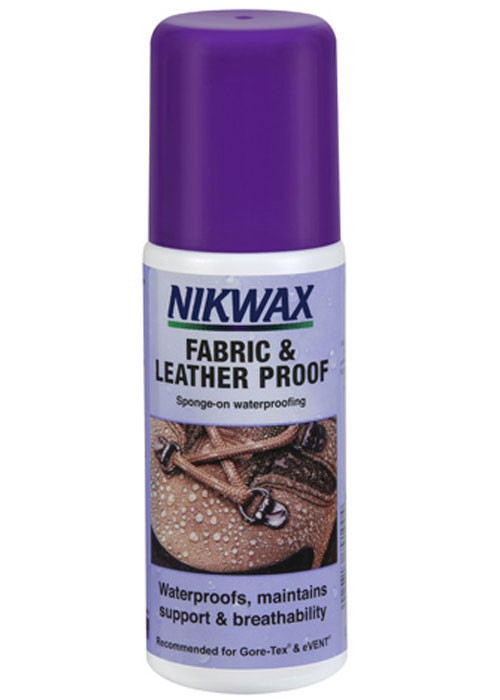
- Use a spray for fabric and mixed-material boots
- Use a leather-specific waterproofing treatment, especially around seams
- Pay close attention to stitching and flex areas
Some leather waterproofing treatments can be applied to wet or dry boots. Always allow boots to dry naturally afterwards.
If you use a wax on smooth leather, follow our leather boot waxing guide.
A good waterproof spray for shoes and boots helps repel rain, mud and damp ground when applied regularly.
Why this helps: waterproofed boots resist rain, puddles and damp grass more effectively.
You can find the treatments mentioned in this guide in our cleaning and proofing products section.

Dry boots the right way
Avoid radiators and direct heat
Heat dries leather too fast and causes cracking.
- Air dry boots at room temperature
- Remove insoles if possible
- Stuff boots with newspaper or paper towels to absorb moisture
Drying boots fully reduces odour and helps materials recover between wears.
Rotate boots between wears
Wearing the same boots every day traps moisture inside.
- Rotate between pairs where possible
- Allow boots to dry fully between uses
This slows material breakdown and improves comfort.
Look after boot soles
Soles affect grip and stability.
- Brush mud from tread after use
- Use a stiff brush for deep grooves
- Rinse if needed and dry naturally
Clean soles grip better and wear more evenly.
Why boots still get wet
Even well-made boots can let water in over time. Common causes include:
- Worn waterproof treatments
- Failing seams or stitching
- Liner damage
- Moisture build-up inside the boot
For step-by-step fixes and repair options, see our full guide on why walking boots leak.
Store boots correctly

Protect shape and materials
Poor storage shortens boot life.
- Store boots in a cool, dry place
- Keep them out of direct sunlight
- Use newspaper, shoe trees or a boot bag to hold shape
Avoid sealed plastic containers that trap moisture.
Boot care for different uses
- Walking boots: clean and reproof regularly if you’re on wet ground — our guide to cleaning and reproofing Grisport boots covers the full process step by step.
- Farm and work boots: focus on thorough drying and keeping soles free from compacted mud to maintain grip and comfort.
- Country boots: condition leather regularly to prevent cracking — our guide to cleaning and reproofing leather shooting boots explains how to care for leather properly.
Final thoughts on boot care
Boot care doesn’t take long, but it pays off. Regular cleaning, conditioning and waterproofing help keep your feet dry, reduce discomfort and extend the life of your boots. Whether you wear walking boots, wellies or farm boots, a simple routine makes a real difference.
If you’re choosing a new pair, check out our range of outdoor and country footwear that suits your use and conditions.
If leaks keep coming back, it may be time to replace them — see our waterproof walking boots for wet grass, mud and long walks.