
Feb 05, 2026
Waterproof clothing for farm work takes a real beating. Mud, gates, grit, livestock work, engine oil, constant movement, and sudden downpours can ruin poor kit fast. If your waterproofs leak, snag, or leave you sweaty and clammy, your day feels longer and harder than it needs to.
This guide breaks down what matters in waterproof clothing for farm work: durability, weather protection, breathability and fit. You’ll also get a simple run-through of jackets, trousers and boots, plus the materials that cope best with wet UK conditions as autumn rolls in.
Want a full breakdown of what to wear on the farm for everyday jobs? Read our practical guide to farm clothing for all seasons.
1. Key features of waterproof clothing for farm work

1.1 Durability that holds up to daily farm jobs
Farm work rubs and pulls at clothing all day. Good waterproofs use hard-wearing outer fabrics and strong stitching, with extra reinforcement where you kneel, lean and lift.
- Reinforced knees and seat for kneeling, fencing and yard work
- Strong seams and taped seams to slow wear and stop leaks
- Tough outer fabric that resists snags from brambles, wire and gates
If you buy cheap waterproofs, they often fail at seams, cuffs and high-rub areas first. You feel it quickly on a farm.
1.2 Weather protection that stops the slow soak
Staying dry comes down to more than “waterproof fabric”. Look for details that block water in the places it gets forced through:
- Taped seams to stop water tracking through stitching
- Storm flap or covered zip to reduce water entry on the front
- Adjustable hood and cuffs so rain doesn’t funnel inside
- High collar for wind-driven rain
1.3 Breathability so you don’t end up drenched in sweat
If you’re moving feed, pushing wheelbarrows, carrying hurdles, or walking fields, you build heat fast. If moisture can’t escape, you get clammy and cold when you stop.
Breathable waterproofs suit active farm days better than fully sealed, non-breathable gear. Non-breathable kit still has a place for short, wet, messy jobs, but it can feel grim for long shifts.
1.4 Comfort and movement for bending, crouching and lifting
Farm work needs easy movement. Look for cuts and features that let you work without fighting your clothing:
- Room to layer without feeling bulky
- Articulated knees or flexible panels for bending and kneeling
- Longer back length for reaching and leaning
- Adjustable waist and braces so trousers stay put
For bib and brace comfort and stability, add heavy duty work braces.
2. The main types of waterproof gear farmers actually use
2.1 Waterproof jackets and smocks
A waterproof jacket is the daily go-to for most farm jobs. A smock can be even better when you want fewer gaps for rain, fewer snag points, and more coverage.
- Adjustable cuffs and hem help keep rain and wind out
- Practical pockets keep tools and bits close to hand
- Good hood fit matters more than people think, especially in wind
If you want to shop, view our range of waterproofs for farm work.
For wet days that need extra coverage, take a look at the Hoggs of Fife long smock.
One practical layer for mixed farm and field use is the Game Pursuit Reversible Camouflage Jacket.
If you want to browse jackets specifically, visit: farm jackets and coats.
2.2 Waterproof overtrousers and bib and brace
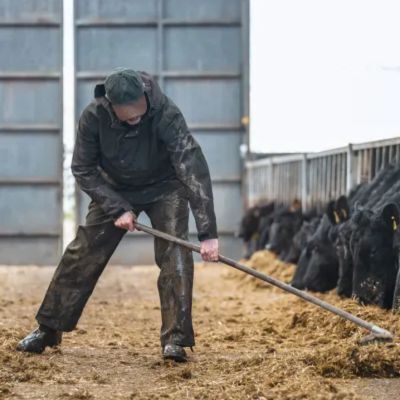
Your lower half takes the worst of the water: wet grass, slurry splashes, kneeling, and sitting on damp machinery seats. Overtrousers work well for quick throw-on cover. Bib and brace trousers suit longer wet spells, especially when you’re bending and stretching a lot.
If you work on your knees, look for reinforced knee panels and strong fabric around the shin and ankle. Adjustable ankle cuffs help reduce water running up your leg when you’re walking through wet ground.
A popular option is: Hoggs of Fife Green King II Waterproof Bib and Brace.
You can also browse: waterproof trousers for farm work.
2.3 Waterproof boots and wellies
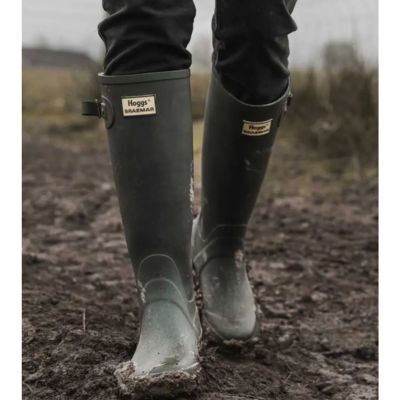
Wet feet ruin your day. They also raise the chance of blisters and skin problems when you’re on your feet for hours. On farms, you want grip, support, and warmth, not just “waterproof”.
- Deep tread for mud and slopes
- Stable sole for uneven ground
- Comfortable lining to reduce sweat build-up
Neoprene-lined wellies suit long days outside because they stay warmer and feel less harsh on your legs. Browse: neoprene wellies.
Looking for wellies built for farm use? Start here: farm wellies.
For mixed use in wet conditions, you can also browse: all-weather walking boots.
If you like the practical farm look on a budget, read: Clarkson's Farm style on a budget.
3. Materials used in farm rain gear and when they make sense
3.1 PVC for short, messy, very wet jobs
PVC waterproofs block water well and take a lot of abuse. The trade-off is comfort. PVC doesn’t breathe much, so it suits short bursts in heavy rain or filthy jobs where you care more about staying dry than staying cool.
3.2 Neoprene for warmth and comfort in cold wet conditions
Neoprene adds warmth and feels flexible, which helps on long winter days. That’s why neoprene wellies are common on farms.
Read more here: why neoprene-lined farm wellies work so well.
4. Brands farmers often choose for waterproof workwear
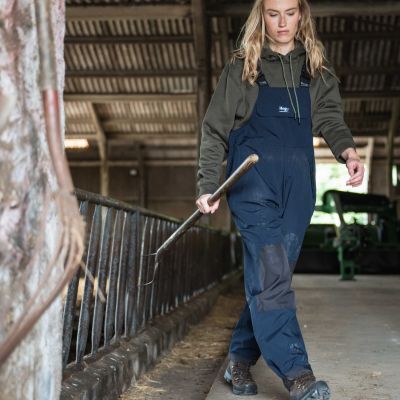
Farm work demands kit that lasts. These brands get picked often because they build for outdoor work, not just dog walks and school runs.
Hoggs of Fife
Hoggs of Fife covers the basics well: waterproof jackets, trousers and boots that suit farm use, with practical cuts and hard-wearing materials.
Ridgeline Clothing
Ridgeline Clothing is popular for active outdoor wear, with designs that suit movement and everyday jobs in wet weather.
Stoney Creek
Stoney Creek leans into tough outdoor kit. If you want workwear built for hard use, it’s a brand many people rate.
Conclusion
Good farming waterproofs make wet days easier. They keep water out, let heat escape, and move with you while you work. Focus on seam taping, strong fabric, comfort through the shoulders and knees, and sensible details like cuffs, hood fit and pocket placement.
This guide covers how to choose the right kit. If you're ready to buy, our full range is here: waterproof clothing for farm work.
Examples of waterproof clothing suited to farm work
The products below are examples of waterproof clothing often chosen for farm work. Use them as a reference alongside the guidance above.